
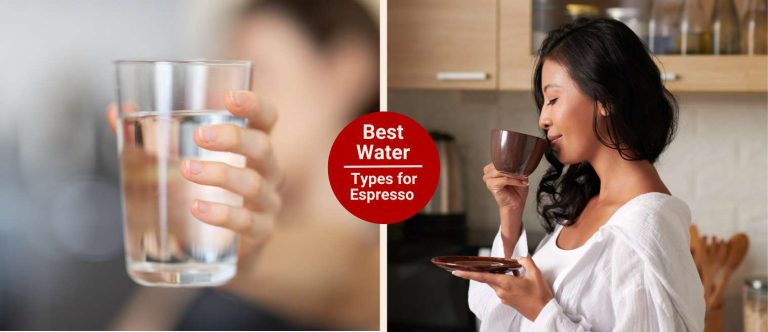
Quick answer: the best water for most espresso machines is filtered tap water or a low-mineral bottled spring water. Avoid using pure distilled or RO water on its own: it tastes flat and can be harsh on some machines. In hard-water areas, filter your water to cut limescale.
When it comes to great espresso, most people focus on beans, roast, and grind. But what about the ingredient that makes up over 98% of your cup?
Water quality is one of the biggest game-changers in espresso brewing. It affects flavour, extraction, and even the long-term health of your machine. Whether you're brewing at home or with your Heypresso portable espresso machine on the move, choosing the right water can make a huge difference.
Here’s a breakdown of six types of water you can use for espresso, along with the pros, cons, and which is best for flavour, convenience, and machine maintenance.
1. 💧 Distilled Water
✔️ Pros: Prevents scale build-up in machines
❌ Cons: Flat taste, potential machine issues
Distilled water is steam-purified and contains almost no minerals. It keeps your espresso machine cleaner by preventing limescale build-up. But this comes at a cost — coffee brewed with distilled water often tastes sharp or overly acidic, and some machines may not function properly without a certain level of minerals.
📌 Best for: Machine longevity (if you have a non-metal boiler and don’t mind weaker flavour)
2. 🚰 Tap Water
✔️ Pros: Readily available, no prep needed
❌ Cons: Quality and taste vary by region
Tap water is the most convenient choice, but it's also the most inconsistent. It may contain chlorine, chlorides, or minerals that cause scaling. Hard tap water can leave residue in your espresso machine and alter the taste of your coffee, while soft tap water can produce a dull cup.
📌 Best for: Everyday use if your area has soft, low-chloride tap water (check your local water report!)
3. 🫧 Filtered Water
✔️ Pros: Better taste and machine safety
❌ Cons: Requires maintenance
Filtered water is often the sweet spot between convenience and quality. Carbon or ion-exchange filters remove chlorine, odours, and impurities without completely stripping away beneficial minerals. It makes your espresso taste cleaner and is gentler on your machine.
📌 Best for: Most home baristas and anyone using a portable espresso machine like Heypresso
4. 🌿 Spring Water
✔️ Pros: Natural minerals enhance coffee flavour
❌ Cons: May be too hard, environmental impact
Bottled spring water often has the right minerals to bring out richer, sweeter espresso flavours — but it can also be too mineral-heavy. Always check labels for calcium, magnesium, and chloride content before using in a machine. Plus, consider the environmental footprint of bottled water.
📌 Best for: Flavour-focused espresso lovers (who are mindful of their water’s mineral levels)
5. 🧪 Reverse Osmosis (RO) Water
✔️ Pros: Pure, neutral taste, customisable
❌ Cons: Needs remineralisation for espresso machines
RO water is ultra-purified through a membrane that removes most solids and contaminants. It’s a great foundation for building your own espresso water by adding back precise minerals. However, used on its own, it lacks alkalinity and can cause corrosion in some machines.
📌 Best for: Advanced brewers who want total control and consistency
6. 🧊 Specialty Coffee Waters (Third-Party Blends)
✔️ Pros: Designed for perfect flavour and machine health
❌ Cons: Pricey and not always espresso-safe
Brands like Third Wave Water offer sachets or bottled formulas that deliver ideal mineral balance for brewing. Some blends are specifically made for espresso, helping produce smoother, more balanced shots while protecting your machine.
⚠️ Tip: Choose espresso-specific versions. Avoid blends with high chlorides that can damage boilers.
📌 Best for: Enthusiasts wanting top-tier espresso and consistent results every time
🧠 Quick Summary: Which Water Is Right for You?
| Water Type | Flavour | Machine Safety | Best For |
|---|---|---|---|
| Distilled | ⚠️ Flat | ✅ Excellent | Machine care (with caution) |
| Tap | ⚠️ Inconsistent | ⚠️ Risky | Occasional, low-effort use |
| Filtered | ✅ Balanced | ✅ Safe | Everyday espresso lovers |
| Spring | ✅ Rich | ⚠️ Variable | Great flavour (check minerals) |
| Reverse Osmosis | ⚠️ Needs minerals | ✅ Safe w/ adjustment | Tinkerers & precision brewers |
| Speciality Waters | ✅ Excellent | ✅ Excellent | Consistent, high-end results |
☕ Final Sip: Don’t Forget the Water!
If you’ve invested in a great espresso setup — beans, grinder, a Heypresso machine — don’t let your water hold you back.
Filtered water is often the most practical choice for taste, consistency, and machine care. But if you’re chasing next-level flavour or brewing on the go, experimenting with spring, RO, or mineralised water could give you that edge.
And remember: good water = better espresso = happier mornings.
📸 Share your brew setup and water hacks with us on Instagram — tag us @hey.presso for a chance to be featured.
Frequently asked questions
Can I use distilled water in my espresso machine?
You can, but it's not ideal on its own. With no minerals it gives a flat, sour-tasting shot. Many people mix distilled with some tap or spring water, or use a remineralised coffee water.
Is bottled spring water good for espresso?
Low-mineral spring water is a great choice, especially when travelling. Choose one with a low total dissolved solids (TDS) figure on the label.
Is tap water OK for an espresso machine?
Soft tap water is usually fine. If you live in a hard-water area, a jug filter will improve the taste and reduce limescale.
What water should I use in a portable espresso machine?
Filtered or bottled spring water is easiest when you're out and about. It keeps the taste consistent wherever you are and keeps the heater free of scale.
How often should I descale my espresso machine?
It depends on your water. With hard tap water, descale roughly every month or two; with filtered or spring water you can go much longer.
Want proper espresso wherever you are? The Heypresso 3-in-1 portable espresso machine heats its own water and takes Nespresso pods, Dolce Gusto pods or ground coffee. Still choosing? Read our guide to the best portable coffee maker.

Leave a comment
This site is protected by hCaptcha and the hCaptcha Privacy Policy and Terms of Service apply.